Ecg Icon Review for Embroidery Projects
First Impressions of Ecg Icon
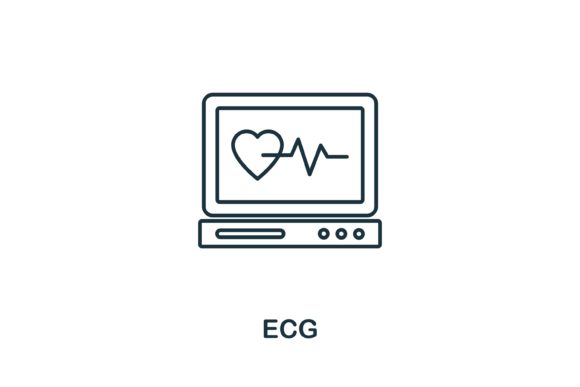
At first glance, Ecg Icon feels clean and professional. It’s a simple outline sign from the medical equipment collection, which immediately gives it a sense of purpose and clarity. The line work is precise, and the minimalist design makes it easy to imagine how it would translate into an embroidered piece. I can see this icon working well as part of a larger graphic or as a standalone symbol in a custom embroidery project.
The visual personality of Ecg Icon is modern and functional. It has that subtle edge of professionalism that makes it ideal for commercial use but still feels approachable enough for personal projects. Its geometric lines suggest versatility, and the lack of excessive detail means it won’t overwhelm smaller embroidery spaces.
Real-Life Scenario: Custom Embroidered Tote Bag
Let’s say I’m preparing a custom embroidered tote bag for a boutique shop. Ecg Icon could be used as a small emblem on the front, paired with a simple text label like “Wellness” or “Care.” The clean lines and recognizable shape would make it stand out without being too busy. I can also see it working well as part of a larger infographic-style design, especially if the shop focuses on health and wellness products.
In this scenario, the icon needs to be clear and legible even when scaled down. Ecg Icon passes that test with ease. It maintains its integrity at different sizes, which is crucial for ensuring the finished product looks polished and intentional.
Performance in Real Embroidery Situations
Ecg Icon performs well across a variety of real-life embroidery situations. Whether it's stitched onto a sweatshirt, t-shirt, or tote bag, the design holds up nicely. Its simplicity allows for flexibility in stitch types—whether using satin stitch for definition or running stitch for a more casual look.
I can also see Ecg Icon working well on baby clothes, where minimalistic and clean designs are often preferred. It might not be the go-to choice for a heavily detailed patch, but as a small accent on a cap, apron, or pillow cover, it adds a touch of sophistication without overpowering the item.
For custom apparel, Ecg Icon can be combined with other graphics or text to create a cohesive brand identity. For example, pairing it with a company logo or slogan could elevate the overall look of a handmade product or small shop merchandise.
Where to Use with Caution
While Ecg Icon is versatile, there are some scenarios where it should be used carefully. On small hoop sizes, the details may get lost or appear too cramped. Testing the design on scrap fabric before committing to a final project is always a good idea.
On textured fabrics or thin fabric, the icon might not stitch as clearly, so using the right stabilizer is essential. Similarly, when stitching on stretchy fabric or curved surfaces like caps, the design may distort slightly unless properly adjusted.
When using Ecg Icon on dark fabric backgrounds, checking thread color contrast is important to ensure visibility. A black or white thread may be necessary depending on the fabric shade and desired effect.
Design Impact and Practical Considerations
The visual appeal of Ecg Icon lies in its simplicity and clarity. It enhances the product value by adding a professional touch, which can increase customer trust and engagement. For craft business owners or Etsy sellers, using this icon in printable mockups or digital product previews can help showcase the quality of their finished goods.
From a handmade product perspective, Ecg Icon brings a sense of recognition and professionalism to any item it’s placed on. Whether it’s a personalized gift or holiday embroidery, the icon adds a subtle yet meaningful detail that elevates the overall presentation.
As a commercial embroidery asset, Ecg Icon offers consistent branding potential. It works well for brand consistency and can be adapted for various embroidery projects, including sweatshirt embroidery or embroidered patches.
Embroidery Designer Notes
Before using Ecg Icon in a project, I recommend testing the design on scrap fabric to check how it stitches. This helps identify any issues with stitch density or hoop size. Also, review the thread colors to ensure they match your intended look and provide sufficient contrast against the fabric.
Check whether the embroidery file includes all necessary formats—like EPS, JPG, AI, and SVG—as mentioned in the product description. If you're planning to sell finished items or digital assets, confirm the licensing terms before proceeding.
Finally, consider using proper stabilizer and adjusting stitch settings based on the fabric type. This ensures the best possible outcome for your finished product, whether it’s a custom apparel piece or a small shop product.